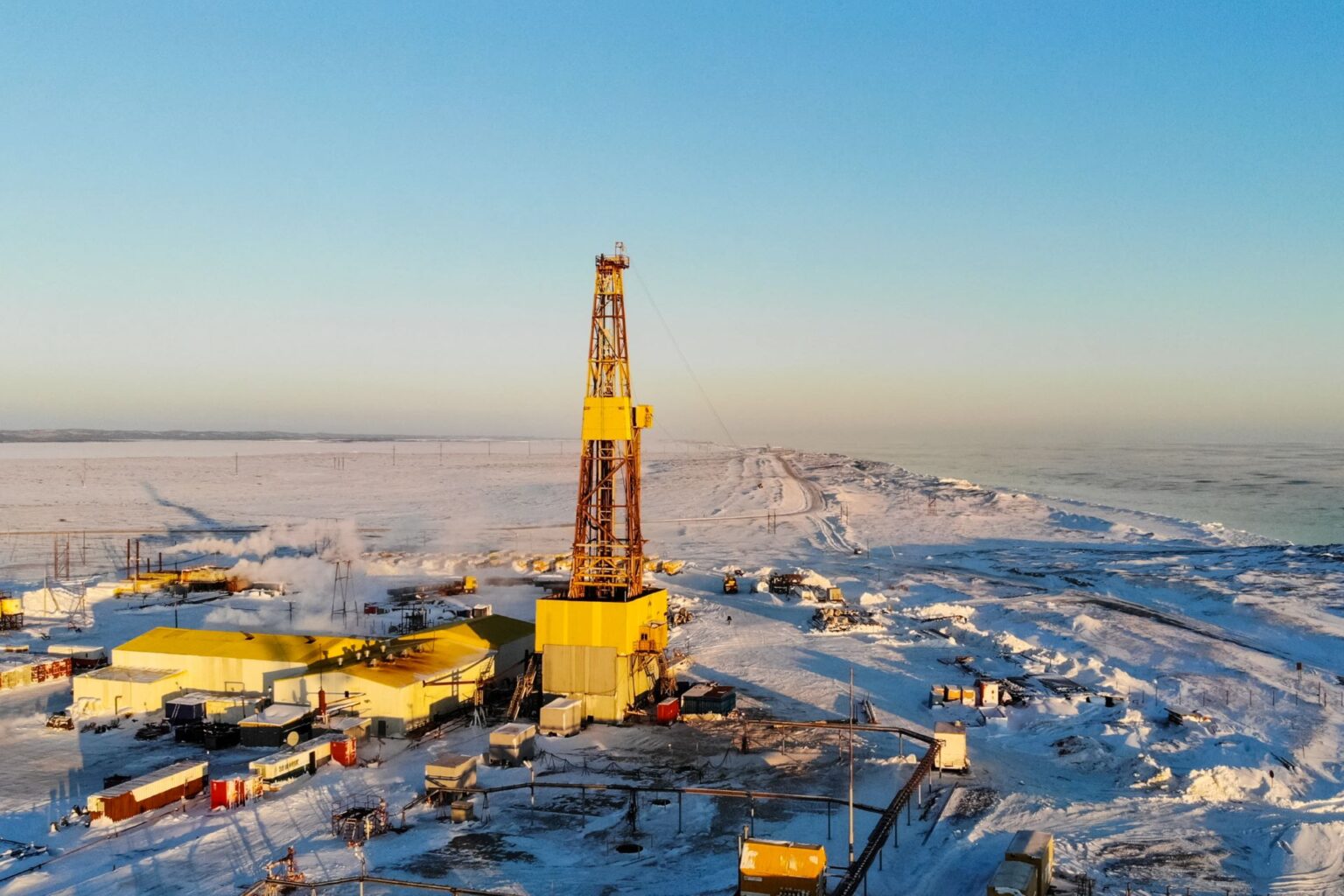
Alaska’s financial experiment began in 1968 with the discovery of oil at Prudhoe Bay. Voters and elected leaders created a sovereign wealth fund in 1976 to keep the wealth for the people.
Established by a Republican governor you might note.
This fund cannot be touched without a vote of the people.
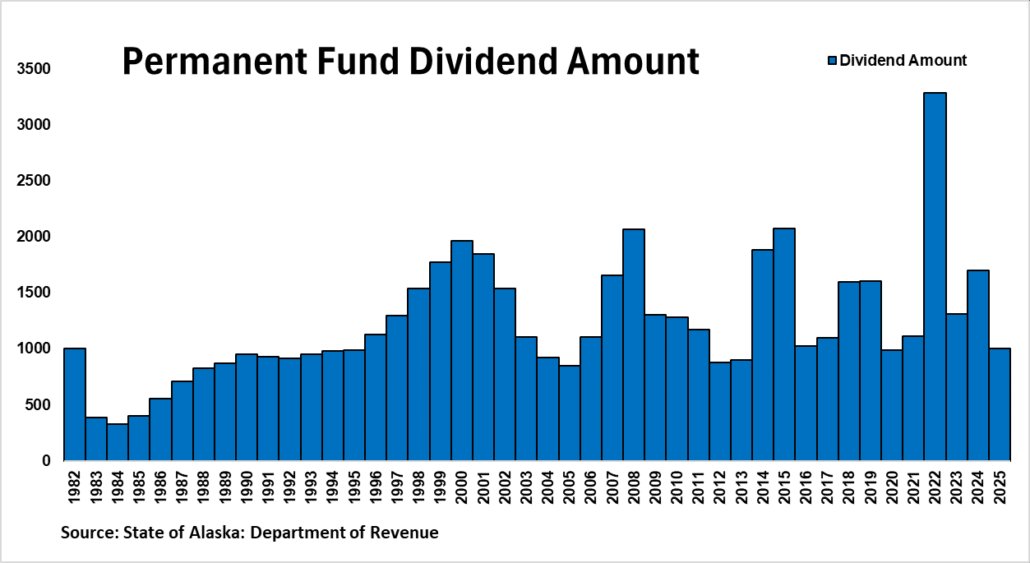
The US state of Alaska’s Permanent Fund Dividend (PFD) has since then distributed some $25 billion in oil revenues.
Every year, the PFD collects revenues from oil and mining and redistributes payouts to each and every one of its citizens.
And this does NOT destroy the ability of an oil mining company to still make a profit on it’s mining production.
The average Alaskan receives around US$1,500 of their share of this collected wealth from the state’s commons. Every year.
The money is distributed annually with no strings attached. So a family of four would receive around US$6,000.
Mind you, this is just from Alaska’s oil resources.
The problem is, such distributions will, over time, simply add to the state’s land value. (But we’ll take up that topic another time.)
So imagine how much more in the way of annual dividends could be redistributed to Alaskans – and to all citizens of all nations – if all possible sources of economic surplus was collected. Like economic rent from land, which has exponentially more wealth generating potential than oils and mining.
Alaska is essentially a glimpse of what a Citizen’s Dividend would look like. A smaller-scale template.
The PFD’s existence as a real-world policy that has existed for nearly half a century also proves that a universal basic income funded from economic rent is not some pie-in-the-sky fantasy.