

At first glance, cheaper mortgages that help first-time buyers seem benevolent. The stated aim is to help lower-income families enter the housing market. Monthly payments fall, but the debt lasts longer.
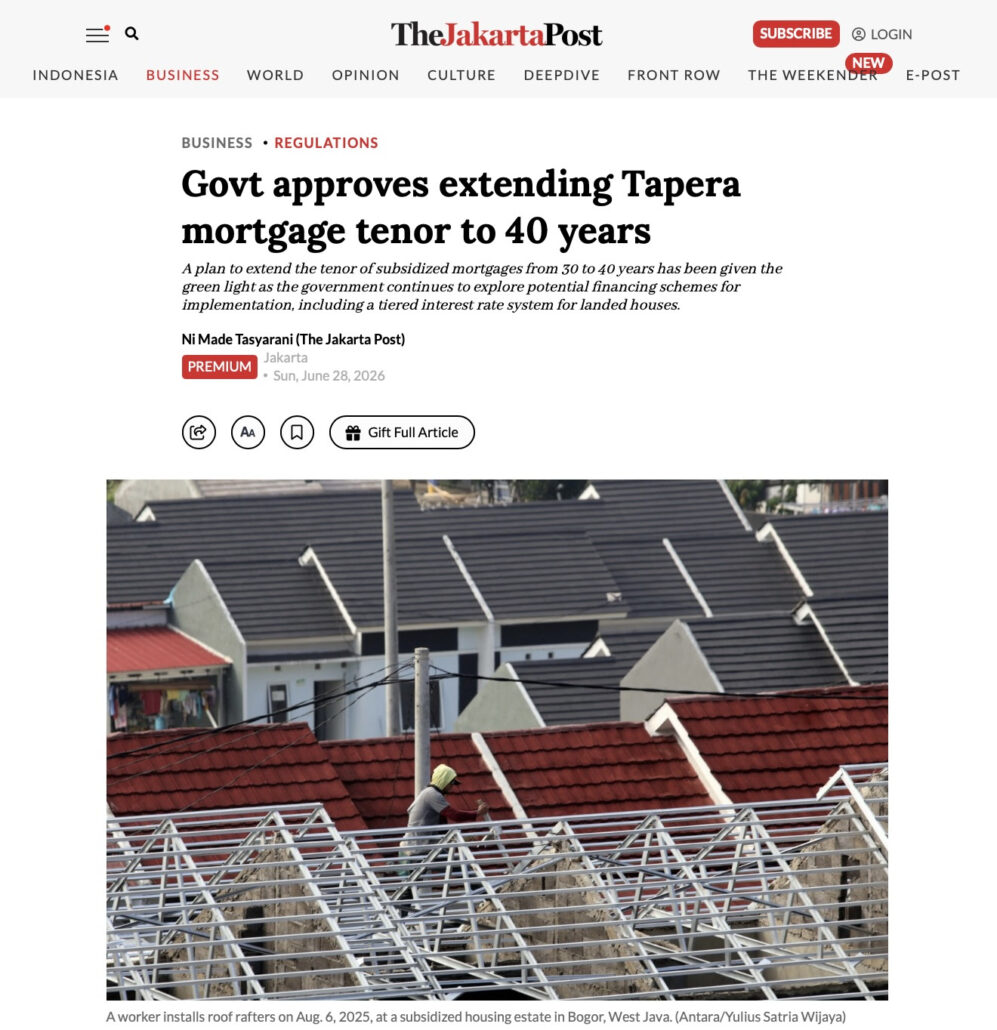
Indonesia recently extended its government subsidised mortgages from 30 to 40 years, lowering monthly payments.
Finland approved 40-year mortgages in May, while the United States is discussing 50-year timeframes.
We all seem to accept this a normal. But it’s telling you an enormous amount about the times you’re living in. Land prices are simply too high.
We are also likely arriving at a dangerous point in the real estate cycle, which has often moved in 18- to 20-year booms and busts.

A Quick Look Back
In the early 2000s, the Fed cut rates, credit became cheap and already-rising house prices accelerated. Housing was treated as a safe investment.
This led directly to the following 2008 bust.
From 2001 to 2006, inflation-adjusted median US home prices rose 50 percent. Banks lent to riskier borrowers because prices seemed certain to keep climbing.
The UK followed a similar path: deregulated lending, self-certified income and buy-to-rent speculation pushed prices higher.
Australia also saw widespread speculation and some of the OECD’s fastest house-price growth.
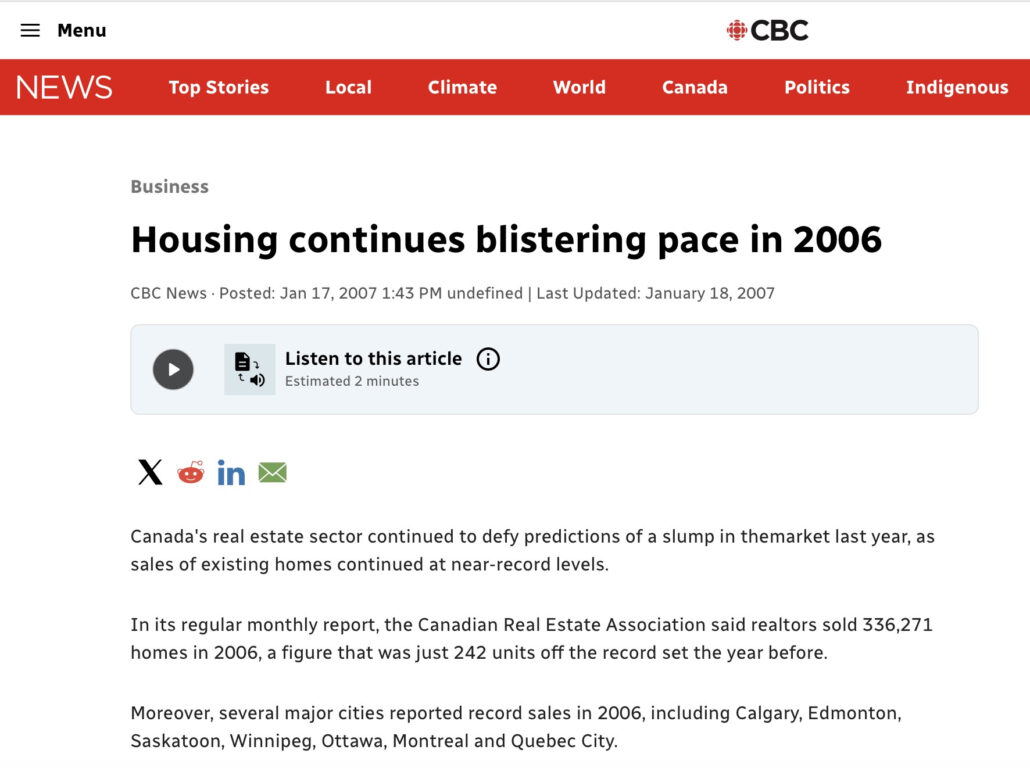
In 2006, Canada made longer, more flexible mortgages easier to obtain, arguing that more people could buy homes sooner.
Then the cracks appeared. Prices fell, foreclosures surged and the housing bust spread through mortgage, credit and hedge-fund markets.
In September 2008, Lehman Brothers collapsed. The rest is history. Today, the same warning signs are returning.
Back to Today…
Longer mortgages risk repeating the mistakes of the 2000s while keeping households in debt for most of their lives.
When people are consumed by debt repayments, they have less time and freedom to challenge the system behind them.
Shepheard-Walwyn recently released a podcast on how governments use debt to control populations, including claims that US ‘emissaries’ push countries into heavy debt.
It features John Perkins, author of The Economic Hit Man. You can watch the interview on YouTube.

Economic rent, the value created by land and society, can fund limited government and return the surplus to citizens as an annual dividend.
Crucially, this model would replace other taxes, not add another one.
So…
Extending mortgages is easier than reforming land policy to lower land prices and raise wages. And get rid of all the other 144 types of taxes – none of which directly target bringing down land prices.
But it pushes those least able to afford it deeper into debt, at the worst point in the cycle.
The bill is due shortly.
Happy reading,
The Citizen’s Dividend Team