
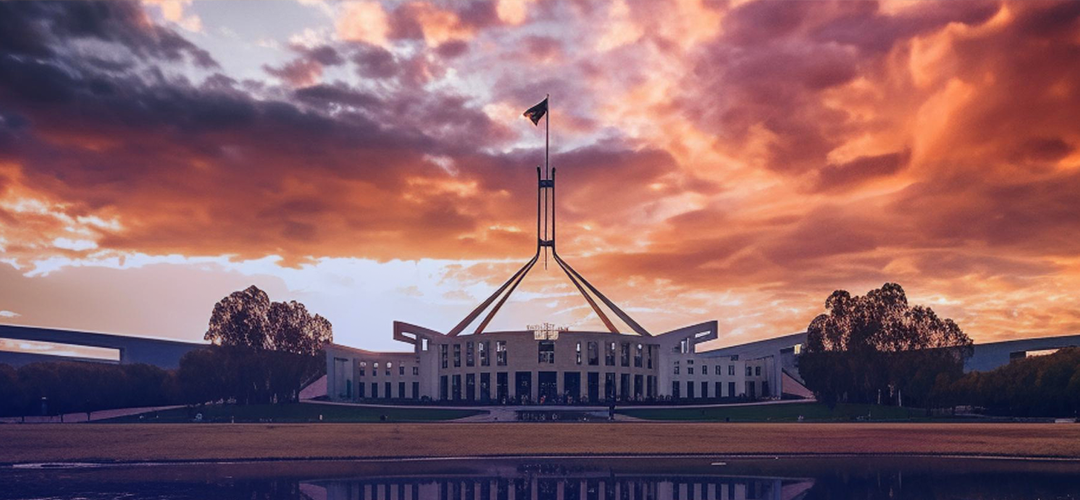
In 1990, I had the opportunity to visit Canberra, Australia’s capital city. As an Indonesian, I was genuinely amazed by its spacious layout, greenery and harmonious balance between government buildings and natural surroundings. The thoughtful planning left a lasting impression on me.
More than three decades later, as Indonesia develops its new capital, Nusantara, in East Kalimantan, I find myself reflecting on that experience. According to the Nusantara Capital Authority, more than 75 percent of its government area is planned as green open space. This reflects a vision of creating a sustainable city where people and nature coexist.
The story of Canberra began more than a century ago, when Australia held an international competition to design its national capital. In 1912, American architect Walter Burley Griffin won the competition with a vision of integrating government buildings, public spaces and natural landscapes. His wife and fellow architect, Marion Mahony Griffin, played an important role in developing and presenting the design, as documented by Australia’s National Capital Authority.

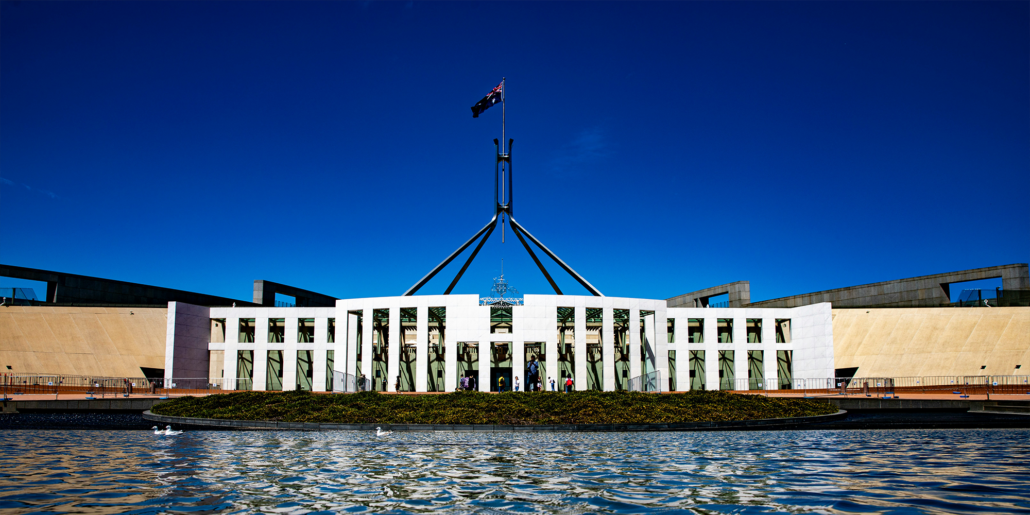
Canberra’s Land Earnings Model Offers Lessons for Nusantara
Beyond its remarkable urban planning, Canberra offers another valuable lesson, one particularly relevant to Nusantara: how land earnings can be harnessed for public benefit.
Unlike most Australian cities, Canberra operates under a Crown leasehold system. According to the ACT Government, residential land is generally held under 99 year leases rather than outright freehold ownership.
The territory also collects revenue through property rates based on the assessed worth of land excluding buildings. Its Lease Variation Charge enables the government to collect part of the financial gains when additional development rights are granted.
These arrangements demonstrate how governments can ensure that some of the economic benefits associated with land earnings are returned to the community.
Nusantara could draw lessons from Canberra’s approach to managing land earnings and ensuring that the resulting economic benefits are shared with the public.
As Indonesia develops roads, parks, public transport and other infrastructure, surrounding land earnings could increase. Rather than allowing these gains to flow mainly to private landholders and developers, Indonesia could establish mechanisms to collect a fair share for the wider public.
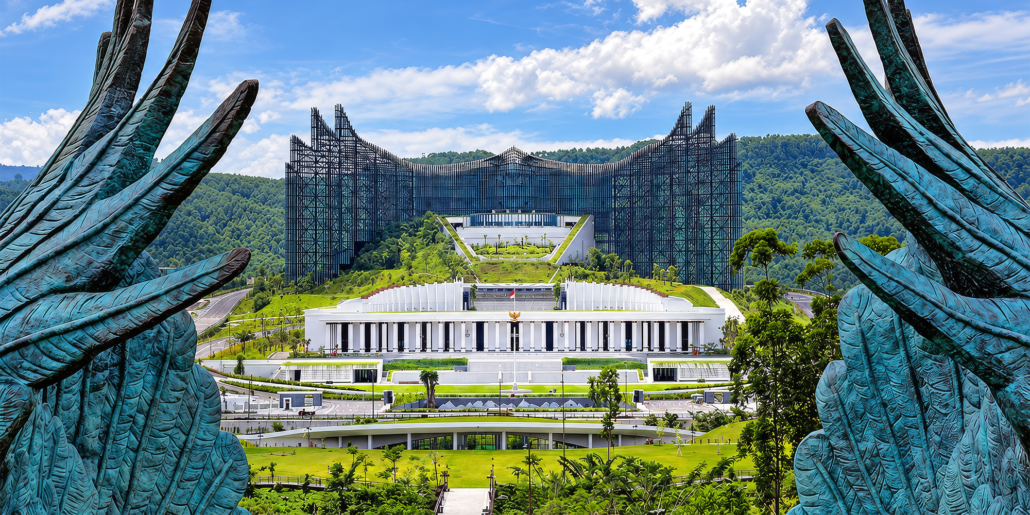
Turning Shared Wealth into Shared Prosperity
The importance of capturing shared wealth is reinforced by a recent Australian study.
In October 2026, the Prosper Australia Research Institute published Australia’s Resource Wealth Giveaway, estimating that Australia could collect approximately A$45 billion more annually from mining and petroleum under stronger public revenue arrangements.
Although the report focuses on natural resources rather than urban land earnings, the underlying principle is similar: wealth arising from shared assets should provide a fair return to the public.
Of course, putting this approach into practice would require careful planning, transparent management of land earnings and a clear commitment to ensuring that the benefits are shared fairly among citizens.
For Nusantara, the challenge is not simply to build a modern and sustainable capital, but to create a system where the economic benefits of its development contribute to the long-term prosperity of its people.
After all, the true measure of a successful capital is not simply the wealth it creates, but how that wealth benefits its people.
Best regards

Ollie
and the Citizen’s Dividend Team