
When fuel prices go up, almost everything becomes more expensive.
Families pay more to travel to work. Businesses face higher delivery costs. Food prices rise, and household budgets are stretched even further.
For a truck driver who pays for their own fuel, rising costs can mean working longer hours just to earn the same amount. For a family already struggling to make ends meet, it can mean choosing between paying an electricity bill and buying groceries.
Across the world, rising living costs have sparked protests and growing frustration. People are working hard, yet many feel they are falling further behind.
Governments often respond with subsidies, tax cuts or emergency assistance. These measures may provide temporary relief, but they rarely address a bigger question:
Why do people face so many taxes and rising costs when the land and natural resources around them generate so much wealth?

Wealth We All Help Create
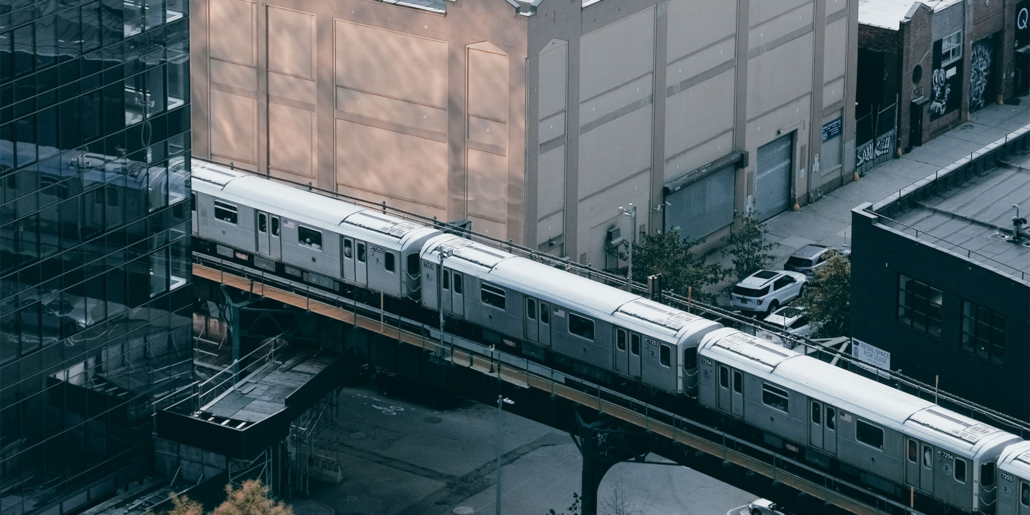
Think about a neighbourhood with a new train station, better roads, good schools and thriving businesses.
As the area improves, more people want to live and work there. Shops attract more customers, businesses grow, and the surrounding land becomes more desirable.
But who made that happen?
It wasn’t just the landowners. It was the community, the workers, the businesses and the public investment that helped make the location successful.
But much of the financial benefit from owning land can go to a relatively small number of people, while everyone else may face higher housing costs and other living expenses.
If the community helps make a place prosperous, shouldn’t the community also benefit?
A Different Way to Fund Society
This is where the Citizen’s Dividend comes in.
The idea is straightforward. Use the land’s earnings for public revenue. And then abolish most or even all of the other taxes.
Instead of relying so heavily on taxes on people’s wages, purchases and businesses, governments could receive more public revenue from the earnings generated by land.
Those earnings could help pay for roads, schools, hospitals and other essential services.
And a portion could be shared directly with citizens through regular dividend payments.
The principle is simple: when wealth comes from something that no individual created, such as land and natural resources, everyone should have a chance to benefit.
This is not about taking away what people earn through their own hard work. It is about finding a better way to share the benefits of resources and opportunities that belong to society as a whole.
What Would This Mean for Everyday Life?
Imagine a family keeping more of its earnings because fewer taxes are deducted from their income.
Imagine a small business having more room to grow because it faces fewer taxes on its activities.
And imagine citizens receiving a regular dividend from a share of the earnings generated by their country’s land and natural resources.
In New Zealand, for example, this change has been calculated to potentially provide every citizen with NZ$19,500 each annually.
A Citizen’s Dividend wouldn’t solve everything. But it could ease financial pressure, reduce dependence on other taxes and give people a more direct share in their country’s prosperity.
Such a change would require careful planning, and the results would depend on how it was introduced. But it raises an important possibility: what if we could fund society in a way that puts less pressure on work and everyday spending?
A Question Worth Asking
When prices rise, the conversation often focuses on what people must pay more for, or what governments should subsidise.
Perhaps we should also ask where public revenue comes from and whether there is a better way to raise it.
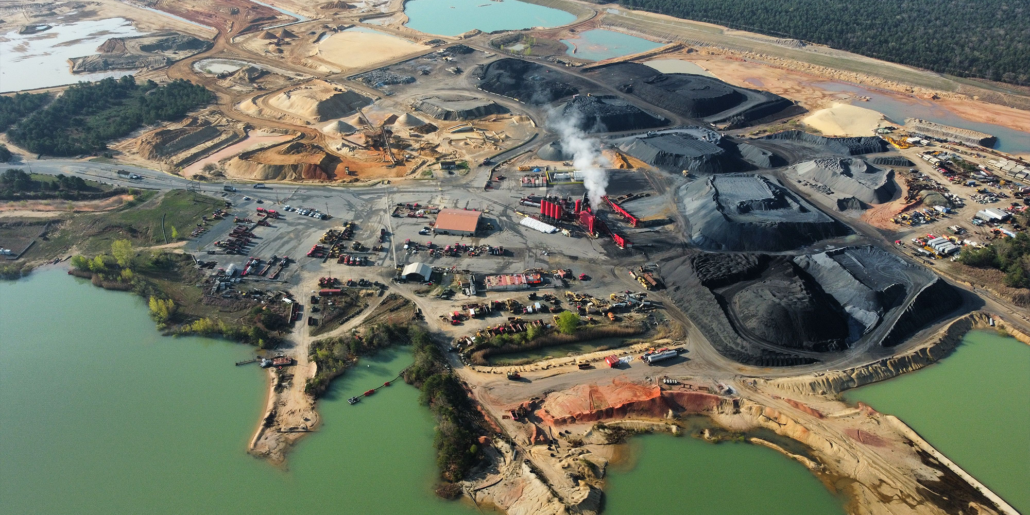
The land beneath our cities, towns and communities can generate considerable earnings. Those earnings could do more to support the people who help make those places successful.
What if prosperity meant not only a wealthier country, but also a better deal for every citizen?
Best regards
Ollie
and the Citizen’s Dividend Team